
Andis UltraEdge vs CeramicEdge: How the Two Blade Lines Differ
UltraEdge and CeramicEdge are the two detachable blade lines you will see most often on Andis clippers, and in a listing photo they look almost identical. They mount the same way, carry the same size numbers and fit the same machines. The one real difference is what the cutter is made of - steel on the UltraEdge, ceramic on the CeramicEdge - and that single choice changes how the blade runs, how long it holds an edge and how much it costs to replace. This page lays out when each one is the better buy.
The only difference that matters: cutter material
Both lines are detachable, so a clipper that takes one takes the other - the mounting is shared. What sets them apart is the moving cutter.
UltraEdge uses a steel cutter against a steel still blade. It is the standard Andis detachable line and the one most people already own. Steel is tough, forgiving of the odd knock and cheap to replace.
CeramicEdge pairs a ceramic cutter with a steel still blade. Ceramic conducts heat poorly, so the blade stays cooler through a long session, and it keeps its edge longer than steel because it is harder and wears more slowly. The trade is fragility: ceramic is brittle, and a cutter that hits a hard floor is far more likely to chip than a steel one would be.
Everything else people compare between the two - fit, size numbers, how you oil and clean them - is the same. If you are choosing between them, you are really only choosing steel or ceramic.
UltraEdge vs CeramicEdge at a glance
The table sums up the practical differences. Neither is "better" outright - the right one depends on how hard you run the clipper.
| UltraEdge (steel) | CeramicEdge (ceramic cutter) | |
|---|---|---|
| Running heat | Warms up faster in continuous use | Stays noticeably cooler over long sessions |
| Edge life | Good; needs sharpening sooner with heavy use | Holds an edge longer between sharpenings |
| Durability | Tough - shrugs off knocks and drops | Brittle - a dropped cutter can chip |
| Replacement cost | Cheaper | More expensive |
| Fit & sizing | Detachable; standard size numbers | Same mounting, same size numbers |
| Best for | Home use and general clipping | All-day grooming and thick coats |
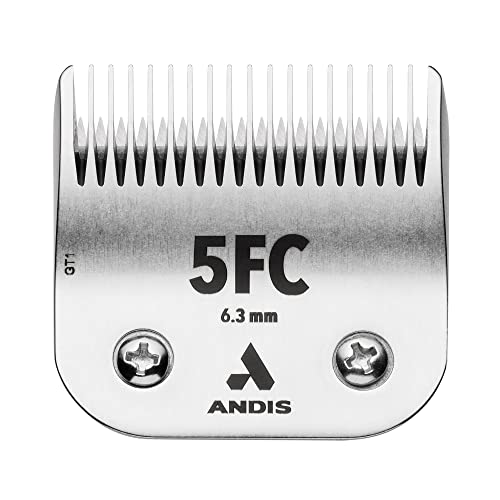
Popular options on Amazon
Prices change often - check the current price on Amazon.



When CeramicEdge is worth the extra money
The case for ceramic is heat and longevity, and both matter most when the clipper barely stops. A groomer working through animals all day feels the difference: a cooler blade is more comfortable for the animal and lets you keep going without pausing to swap to a cool spare as often. Over months, the longer edge life offsets some of the higher price because the blade goes to the sharpener less often.
Thick or dense coats are the other case. They generate more friction, so they heat a steel blade faster, and the ceramic cutter's slower wear shows up sooner on that kind of work. If your clipper earns its keep, CeramicEdge usually pays for itself.
When UltraEdge is the smarter buy
For most people at home, steel is the sensible choice. A blade used for a haircut every few weeks never runs long enough to make heat a problem, and the lower replacement cost matters more than an edge-life advantage you will not use up for years.
Steel is also the choice if the clipper leads a rough life. Ceramic's weakness is impact, and a blade that gets knocked around a workbench or dropped on tile is safer as steel. If you are building a set of sizes rather than buying one blade, the price gap multiplies - kitting out with UltraEdge across several blade sizes costs meaningfully less than the same set in ceramic.
They share the same mounting and sizes
This is the point that saves the most confusion: UltraEdge and CeramicEdge are interchangeable on the same machine. If your clipper takes detachable blades, it takes either line, and you can mix them - a ceramic in the size you use most, steel in the sizes you reach for occasionally. The size numbers line up too, so a CeramicEdge #10 leaves the same length as an UltraEdge #10.
What does not carry over is a switch to a different system entirely. A T-blade or an adjustable taper blade is a different mount, not a different material, and neither swaps in for a detachable blade. If you are not sure which system your clipper uses, the guide to Andis clipper blades walks through how to tell them apart.
Care, sharpening and the heat myth
Both lines are oiled and cleaned the same way - a few drops across the teeth with the machine running, and the underside cleared of packed hair on a detachable blade. Skipping this is the usual reason a blade of either material seems to stop cutting; a dry blade pulls and overheats regardless of what the cutter is made of, which is worth ruling out before you blame the blade or reach for a replacement. If a blade pulls even after oiling, work through the causes for a clipper that will not cut before deciding it is worn.
Both can be professionally resharpened, and it is worth doing for either - a ceramic cutter especially, given the price. The one habit that matters more with ceramic is not dropping it: store it where it will not fall, and treat the cutter as the fragile part it is.
Frequently Asked Questions
Can I use CeramicEdge blades on an UltraEdge clipper?
Do UltraEdge and CeramicEdge use the same size numbers?
Is CeramicEdge worth the extra cost?
Does ceramic really run cooler than steel?
Which lasts longer, UltraEdge or CeramicEdge?
Are third-party ceramic blades a good substitute?
Ready to check the latest price?
Compare Blades on Amazon